Instagram content plan: a 4-week starter template
A recognizable account gives people a reason to return. Start with the questions your audience already asks, then use a small set of repeatable formats to answer them clearly.
Choose three useful themes
A local studio might cover technique, client questions, and behind-the-scenes decisions. Each theme should connect to a real audience need, not just to a trending format.
Design repeatable formats
Use a short demonstration, a before-and-after explanation, or a compact checklist. Repetition in format saves production time while allowing the substance to change.
Publish at a pace you can sustain
A manageable calendar beats an ambitious schedule that collapses. Review what you can produce well with the people and time available.
The question-to-post board
A calendar is easier to maintain when every slot answers something a person actually asked. Keep a small board of questions before you choose a format or posting day.
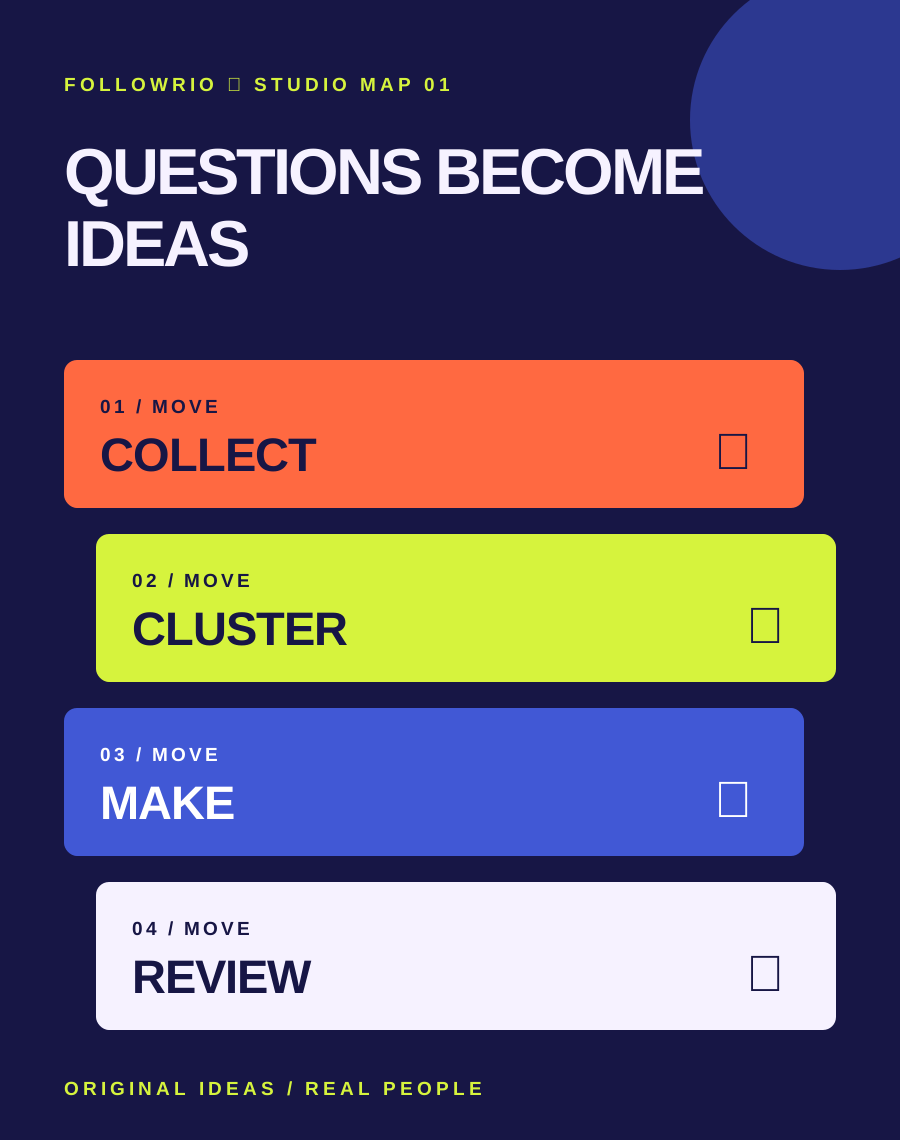
- Collect
Write down ten questions from comments, customer conversations or your own support inbox. Remove names and private details.
- Cluster
Group questions by the outcome people want: learn, compare, solve a problem or decide whether to buy.
- Make
Pick one question and choose the shortest format that can answer it clearly. Show the useful part before the branding.
- Review
After publishing, note which new questions appeared. Use them to improve the next answer, not to manufacture engagement.
Imagine an independent bicycle mechanic hearing 'How do I know when the chain needs replacing?' often. A short visual answer explains the warning signs, a checklist names what a customer can safely inspect, and the caption points to the current service options. The idea came from a real question, not a trend list.
Week 1 — Explain: Answer “When is a chain worn?” with a short demonstration and a plain-language caption. Record the questions that follow.
Week 2 — Compare: Show two maintenance options and when each makes sense. Link to a page with the full service details.
Week 3 — Show the work: Walk through one repair decision, with the customer’s details removed. Add captions and an image description.
Week 4 — Review: Compare similar posts over the same time window. Note useful replies and enquiries alongside reach, then choose one question for the next cycle.
Copy the structure, not the posting frequency: question → useful answer → next step → review. A small team may publish less often and still serve its audience well.
Do not present a private message as a testimonial or quote without permission. Summarize the question in your own words.
READ THE PRIMARY SOURCE / Instagram Best Practices for creators ↗
THIS WEEK ✳
Write three audience questions and draft one post answering each in plain language.
Before you go.
How often should I post?
Choose a pace you can sustain and review the quality of responses. There is no universal number that replaces a clear idea and a useful post.
Can I revisit a topic?
Yes. Answer a different question, show a new example or change the format while keeping the information accurate.